Stress can affect more than your state of mind. It can also contribute to muscle tension, physical discomfort and difficulty relaxing. But can remedial massage help?
Remedial massage may help relieve stress-related muscle tension, encourage relaxation and improve physical comfort. While it is not a treatment for anxiety disorders, it can be a useful complementary approach to managing some of the physical effects of stress.
What Is Remedial Massage?
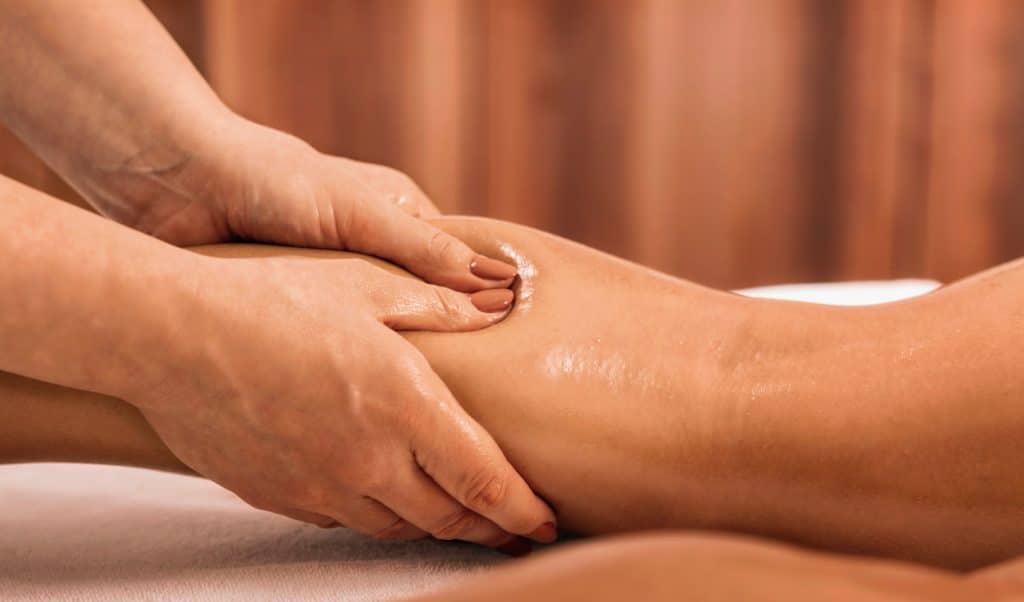
Remedial massage is a therapeutic approach that focuses on assessing and treating muscles and other soft tissues affected by pain, tension or restricted movement.
Unlike a general relaxation massage, remedial massage usually begins with an assessment of the individual’s symptoms and physical needs. A therapist may then use techniques such as deep tissue massage, trigger point therapy or myofascial techniques, depending on the assessment findings.
According to healthdirect Australia’s massage therapy guide, massage therapy can support pain management, stress reduction and rehabilitation, although its effects vary between individuals.
How Can Remedial Massage Help Reduce Stress?
Remedial massage may support stress management by addressing physical discomfort and encouraging relaxation.
Stress can sometimes contribute to muscular tightness, particularly around the neck, shoulders and back. These physical symptoms can make it harder to feel comfortable and relaxed.
Remedial massage may help in three ways:
1. Relieving Muscle Tension
Stress-related muscle tension can contribute to stiffness and discomfort.
By applying appropriate soft-tissue techniques, remedial massage therapists aim to reduce discomfort and improve movement in affected areas.
For example, someone who spends long hours working at a computer may experience persistent neck and shoulder tightness. A remedial massage therapist can assess the affected muscles and develop an appropriate treatment plan.
2. Encouraging Physical Relaxation
Massage therapy may help people feel calmer and more physically relaxed.
Research suggests massage can influence certain physiological responses, including heart rate, blood pressure and pain perception. However, scientists are still investigating how these changes contribute to the benefits people experience.
Although relaxation is a common outcome, individual responses and the duration of relief can vary.
3. Improving Body Awareness
Stress is not always immediately noticeable. Some people only recognise how tense their muscles have become when they experience discomfort.
Massage may increase awareness of physical tension and help individuals identify areas of discomfort that need attention.
This awareness can complement other stress management strategies, including regular movement, stretching and relaxation techniques.
What Does Research Say About Massage and Anxiety?
Research suggests that massage therapy may help reduce some symptoms associated with stress and anxiety, although the evidence remains mixed.
The US National Institutes of Health’s National Centre for Complementary and Integrative Health reports that massage has reduced anxiety in some studies involving people with medical conditions. However, other studies have not demonstrated significant benefits.
Importantly, much of this research examines massage therapy more broadly rather than remedial massage specifically.
Massage should therefore be viewed as a potential complementary wellbeing strategy, not a proven treatment for anxiety disorders.
For individuals experiencing persistent anxiety or significant emotional distress, assessment and support from a qualified healthcare or mental health professional remain important.

Remedial Massage vs Relaxation Massage: What’s the Difference?
Although both approaches may encourage relaxation, their primary purposes differ.
| Remedial Massage | Relaxation Massage |
|---|---|
| Focuses on specific physical concerns, such as muscle pain or restricted movement | Primarily focuses on general relaxation and comfort |
| Usually involves a physical assessment and targeted treatment | Typically uses flowing, soothing massage techniques |
| Treatment techniques are adapted to individual needs | Often focuses on promoting an overall sense of relaxation |
| May be appropriate when stress is accompanied by specific muscular discomfort | May suit individuals primarily seeking relaxation |
Neither treatment is automatically better for managing stress. The best approach depends on the individual’s symptoms, preferences, and health circumstances.
What Happens During a Remedial Massage Session?
A remedial massage session is generally tailored to the client’s physical condition, treatment goals and comfort.
A therapist may:
- Discuss symptoms and health history: Identify areas of discomfort, relevant medical information and treatment goals.
- Assess muscle function and movement: Examine muscle tension, mobility, and other relevant physical concerns.
- Develop a treatment approach: Select suitable massage techniques and pressure based on assessment findings.
- Review the response: Discuss how the client feels and whether further treatment or referral may be appropriate.
Treatment should not involve unnecessary pain. Clients should communicate any discomfort so the therapist can adjust their approach.
Massage may also be unsuitable for certain health conditions or injuries without medical advice. If you’re unsure whether massage is appropriate, consult your healthcare professional before booking.

Frequently Asked Questions
Can remedial massage help with stress-related headaches?
Remedial massage may help relieve muscular tension around the neck and shoulders that sometimes accompanies headaches. However, headaches have many possible causes, and massage isn’t appropriate for every type. A healthcare professional should assess frequent, severe, or unusual headaches.
Is deep tissue massage necessary for stress relief?
No. Deep tissue techniques are not essential for relaxation or stress relief. A therapist should choose the technique and pressure based on the client’s physical needs and comfort. Stronger pressure does not automatically produce better results.
How often should you get remedial massage for stress?
No single frequency suits everyone. The need for further treatment depends on individual symptoms, treatment goals and response. A qualified remedial massage therapist can discuss whether follow-up sessions may be appropriate.
Exploring a Career in Remedial Massage
Supporting people with muscular discomfort and movement restrictions is an important part of a remedial massage therapist’s role.
A career in this field combines knowledge of anatomy and physiology with practical skills in client assessment, treatment planning, massage techniques and professional client care.
The nationally recognised HLT52021 Diploma of Remedial Massage includes 21 units of competency and requires at least 200 hours of supervised clinical practice.
At TrainSmart Australia, students can study on campus in Perth or online/blended, combining online theory with supervised practical training.
Students gain hands-on experience in client assessment and treatment by applying their knowledge in supervised clinical environments. You can also learn more in our article, Inside the Remedial Massage Student Clinic.
Want to build practical skills for a career in remedial massage? Explore TrainSmart Australia’s HLT52021 Diploma of Remedial Massage and discover the available study pathways.